
Can you really beat the house at a casino?
The Concept of the House Edge
The house edge is a crucial concept in the world of gambling. It represents the statistical advantage that the casino has over players in the long run. This edge varies from game to game; for example, slot machines typically have a higher house edge compared to blackjack or poker. Players seeking to understand this aspect often look for reputable betting sites that provide insights into various games, as it sheds light on the likelihood of coming out ahead, even if for a fleeting moment.
In a nutshell, the house edge is built into every casino game as a way for establishments to ensure profitability. While players can occasionally experience winning streaks, statistical probabilities dictate that over time, the house will win more often than not. Players who grasp this principle are often better equipped to engage with the games strategically, rather than relying solely on luck.
Moreover, different variations of the same game can possess varying house edges. For instance, in blackjack, rules such as whether the dealer hits on a soft 17 can influence the house edge significantly. Players who take time to research these nuances can enhance their gameplay, potentially increasing their chances of winning in a given session. Understanding the house edge serves as the cornerstone of effective gambling strategies.
Strategies to Minimize Losses
While it’s nearly impossible to eliminate the house edge, players can employ various strategies to minimize their losses. One effective method is bankroll management, which involves setting strict limits on how much money one is willing to spend during a gaming session. By adhering to these limits, players can prolong their gameplay experience and mitigate the risk of substantial losses. This strategy encourages more responsible gambling habits and helps maintain a more positive gambling environment.
Another approach involves understanding and mastering the rules of the games. For instance, in poker, knowledge of basic strategies such as bluffing, pot odds, and position can significantly enhance a player’s chances of coming out on top. Players who invest time in practice, whether through online tutorials or low-stakes games, can better understand game mechanics and develop strategies that work in their favor.

Furthermore, taking advantage of bonuses and promotions offered by casinos can also be beneficial. Many casinos provide incentives, such as free spins or deposit matches, which can give players additional opportunities to play without risking their own funds. By leveraging these offers, players can extend their enjoyment while also gaining an extra edge in competition, albeit with the understanding that conditions usually apply.
The Role of Skill in Gambling
In many casino games, particularly those involving strategy, skill can play a significant role in a player’s success. Games like poker and blackjack allow for a certain level of skillful decision-making, where players can apply strategies that could tilt the odds slightly in their favor. For example, knowing when to hit, stand, or double down in blackjack can greatly impact the outcome of the game. Players who take the time to comprehend strategies and probabilities can enhance their overall performance.
Conversely, games of pure chance, such as roulette or slot machines, rely entirely on luck. In these cases, no amount of skill or strategic thinking will change the inherent house edge. Thus, players must remain aware of the type of game they are participating in, as this could influence their overall gambling experience and approach, emphasizing the need for a balanced understanding of chance and skill in casino games.
However, the application of skill doesn’t guarantee consistent wins. Even skilled players will experience fluctuations in their success due to the randomness inherent in gambling. The most effective players learn to accept both wins and losses as part of the game, adopting a mentality that focuses on enjoying the process rather than solely fixating on the outcome.
The Psychological Aspect of Gambling
When discussing whether players can beat the house, it is essential to recognize the psychological aspects of gambling. Many individuals enter casinos with the hope of winning big, often underestimating the potential for losses. This hope can lead to “chasing losses,” a common pitfall where players continue to gamble in an attempt to recover lost money. Understanding the psychology behind gambling can help players avoid emotional decision-making that often leads to more significant financial damages.
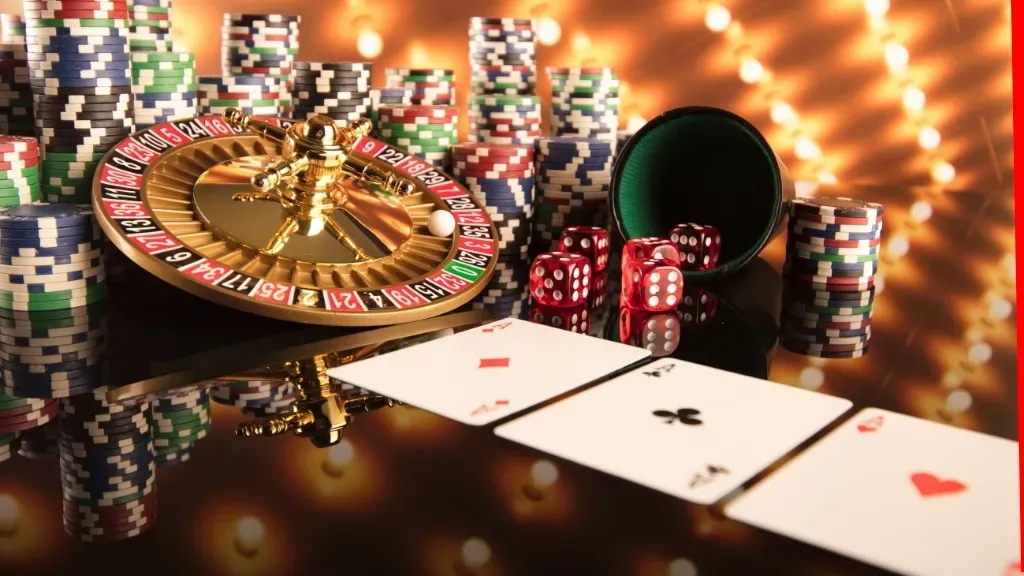
Additionally, the thrill of the game can create an addictive environment. The excitement from winning, paired with the ambiance of casinos—sounds of slots ringing, the cheers of winning players, and the visual stimulation—can contribute to impulsive behaviors. Establishing personal guidelines and being aware of one’s gambling habits can assist in avoiding the pitfalls of addiction.
Moreover, recognizing emotions during gameplay is vital. Players should be mindful of their state of mind and how it may influence their betting patterns. Emotional betting can cloud judgment, leading to poor decision-making. Therefore, players should cultivate a level of self-awareness and emotional regulation that allows for a more rational approach to gambling, thereby reducing the likelihood of significant losses due to erratic choices.
Conclusion and Responsible Gaming
In conclusion, while players can employ various strategies to enhance their chances and minimize losses, the house edge remains a significant factor within the casino environment. The unpredictability and inherent risk in gambling mean that no strategy can guarantee consistent wins. Therefore, players must approach gambling with a balanced mindset, focusing on the enjoyment of the experience rather than solely on the outcome.
Furthermore, responsible gaming should always be a priority for all participants. Setting limits, understanding one’s emotional triggers, and taking breaks are essential practices for fostering a healthy gambling habit. By acknowledging the nature of casino games and the importance of self-discipline, players can enjoy the thrill of gambling while maintaining control over their finances and well-being.
For those interested in learning more about gambling strategies and responsible gaming practices, there are a variety of resources available online. Engaging with communities or platforms that promote safe gambling can provide insights into navigating the complexities of the gambling world while ensuring a fun and responsible experience.